Review · 1992 · R B
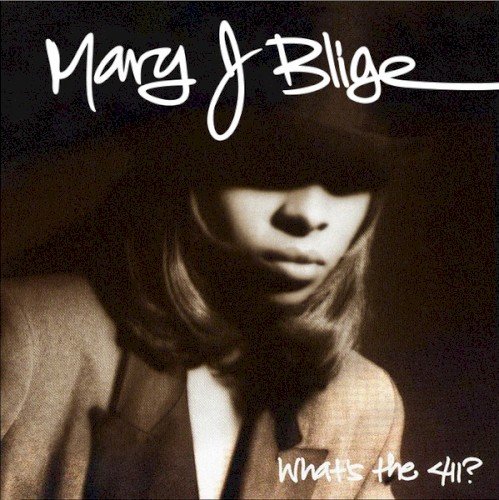
Mary J Blige - What’s The 411?
Mary J Blige's What's The 411? reviewed: incredible singing talent over songs with the lyrical complexity of a children's book, and "lovin'" on every track.
The verdict
Mary J’s debut album from 1992 has me conflicted. On one hand, you have Mary J’s incredible singing talent, which simultaneously gives each song a modern flair while honoring the soul and R&B (and a dash of hip-hop) predecessors who inspired this album. On the other hand, you have a series of songs with the lyrical complexity of a children’s book - I counted at least 3 separate songs that used some variation of the phrase “Lovin’ is all I want to do” as part of the hook, while the term “lovin’” was literally on every track. The formula for each song seemed to be a Ctrl-V of the last - a beautiful chorus of backup singers singing about “lovin’” over a straightforward downtempo beat while Mary J riffs, using her voice like an electric guitarist might use their instrument to wring out shiny, show-off riffs where lyrics would only get in the way.
Most of this album feels gratuitous. First there’s the intro track, which is a chest-thumping list of “voicemails” left by music industry folks impressed by Mary J’s album (which, as this is the first track on her debut album, nobody else has heard yet. Just got to make sure everyone knows up front that it’s great - your own opinion is irrelevant). Then there’s the utterly pointless Busta Rhymes “intro” track, which seems only to exist to further boost Mary J’s credibility as a superstar. Fake it till you make it, I guess, and nobody can argue that Mary J Blige made it.
This album seems designed for two broad purposes - the first is to give a nod to the rich mix of genres and artists who clearly inspired the music. This is done primarily with the backing tracks, however, and kind of pushed off as an afterthought. That’s because the greater purpose of this album is to celebrate Mary J’s voice. This is done at the expense of the songs themselves - lyrics don’t matter, the background singers don’t matter, the repetitive beats don’t matter; all that matters is that we listen to Mary J execute flawless sequences of notes in her soulful tone, using one or two vowel sounds at the very most. I suppose it could be considered moving in the same way a good guitar solo can be moving - it’s virtuosity deployed in an extremely “look at me” way, a celebration of talent at the expense of songwriting and lyricism. It’s as impressive as it is boring.
Originally part of Jamwise #31 - Separating the Music From The Listener.