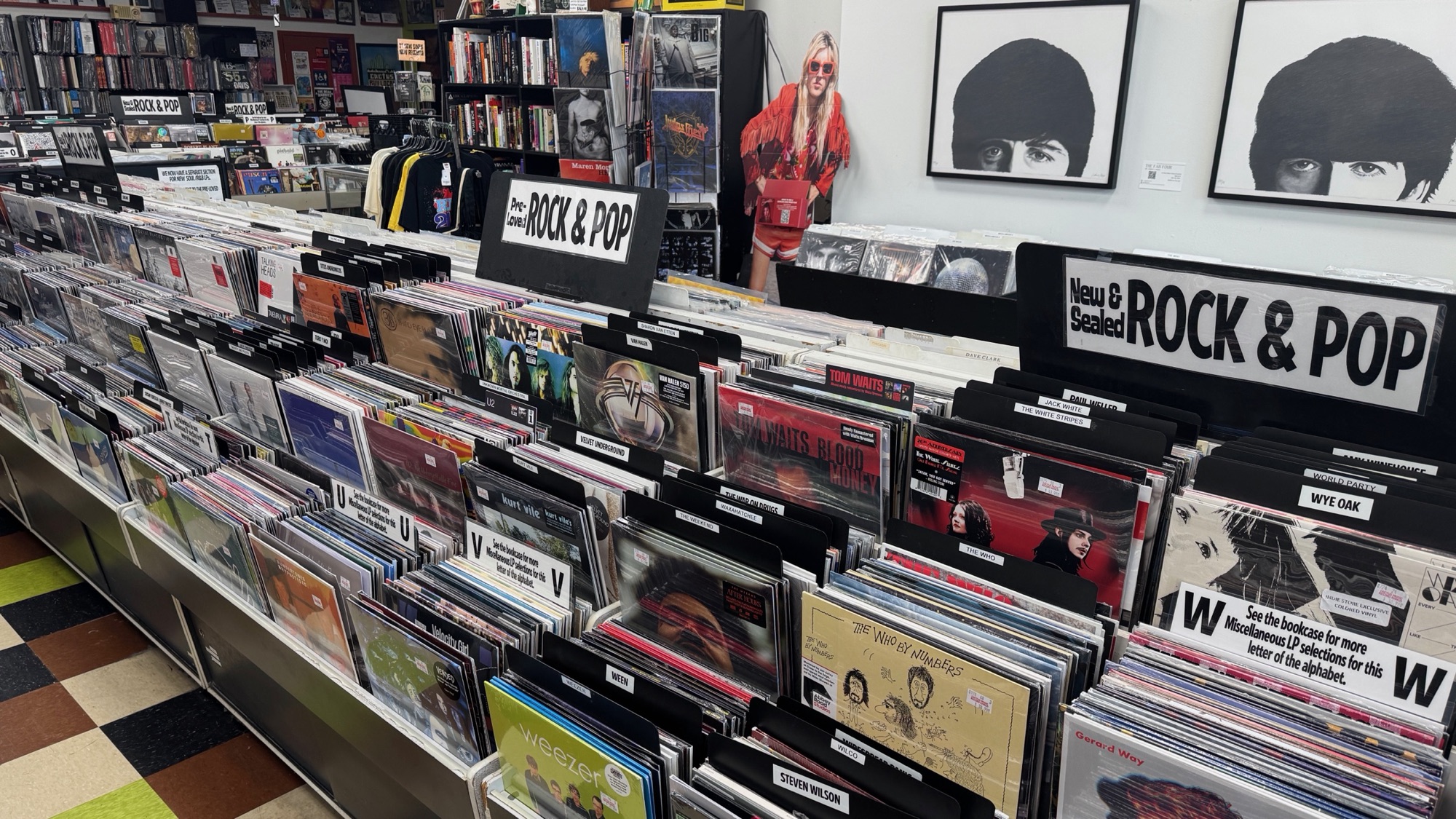
This is my list of the most important resources for music discovery.
The short answer is to follow people more than platforms. Bloggers, newsletter writers, record store staff, and festival lineups tend to point you to better music than an algorithm will, and streaming services are the cheapest way to listen to whatever they recommend.
Jump to: Books · Bloggers / Curators · Websites / Magazines · Offline / Distributors · Music Festivals · Streaming Services · Social Media
I started making this list for myself, but thought it would be useful to share more widely - it’s not meant to be a complete encyclopedia, though. The list is constantly updated, and will live as a permanent page on my website. I’m always looking for more recommendations for places to find new music, so feel free to add them in the comments! And if you’re a music curator, writer, creator, etc. don’t be afraid to drop links to your own work as well. You can leave a comment or send suggestions to me, either way.
Important note #1: I’ve put some description next to each of these sources to help guide myself (and you) towards the sources that fit you the best. I’ll try to capture the style of each in a way that makes it easier to see if it’s a match for what I’m looking for on a particular day. If a music recommendation source is shown here, then you can assume I find some kind of value in it. I’ll only include a source of limited value if I think it’s important or interesting to discuss (e.g. Spotify’s “DJ” feature).
Important note #2: When I talk about music discovery, I’m not just talking about stuff released a week ago. I’m talking about music that’s new to the listener, whether it was released in the 70’s or is coming out next week. So consider different perspectives when you think about music discovery - someone born in 2004 will need help to discover 70’s music, and I’m including those kinds of sources here too.
Important note #3: I hate algorithms in many ways. But you will find discussion here about different kinds of music discovery algorithms - my view is that even though the way algorithms are used in music discovery has become pretty despicable, they’re still useful tools when properly understood.
Books
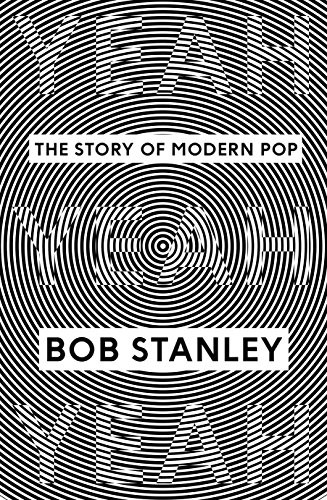
Yeah Yeah Yeah: The Story of Modern Pop - Bob Stanley
Bob Stanley is a journalist and member of the band Saint Etienne, and he does a great job tracing trends and the rise and fall of genres throughout popular western music.
I was looking for a relatively concise overview of the big trends in music and how they’ve evolved over time, and this book was a great primer. It covers the development of Pop music as we know it from around the time of the first 7” singles (circa 1952) until the present time (early 2010’s, when the book was published). It covers primarily American and British music, with a much larger focus on Britain - you can tell the author relishes writing about British music far more than others, but hey, that’s understandable. It’s written densely with so many factoids and snarky opinions that it’s hard to process more than a chapter at a time, but I found it very enjoyable. Think of each chapter like a blog post, read slowly, and listen along to see if you agree with the author’s whip-quick 1-line assessments of each artist, and you’ll come out of it with a pretty solid foundation of the Pop music timeline of the last 60 years.
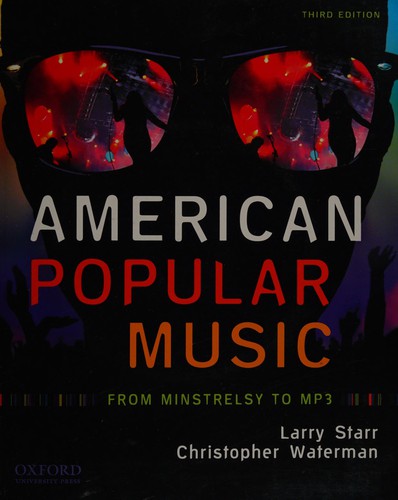
American Popular Music: From Minstrelsy to MP3
This book is allegedly used in music survey classrooms in some colleges, and as boring as that sounds, I actually found it an interesting read. There’s a listening guide in each chapter, with most songs available on the major streaming platforms for reference while you trace American popular music from its beginnings in the late 1800’s until today.
I know the book is expensive, but here’s a disclaimer: Do not download an older version of this book from a link you find by Googling “American popular music from minstrelsy to mp3 free pdf”. It takes some digging to find a link that actually works, and you shouldn’t do that anyway, although if you did you’d need some patience and persistence that would probably pay off in the end. There are old versions available in PDF for free, and you should not download these, even though the old version still goes up to pretty recent years and is allegedly still quite usable.
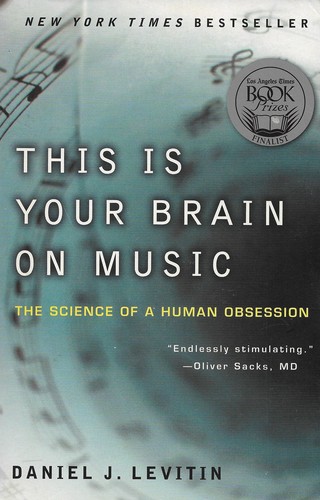
This Is Your Brain On Music
This isn’t exactly a music discovery book, but it’s fascinating and enlightening in many ways related to why and how we form our musical favorites.
Bloggers / Curators
This list could go on and on - just in case I miss someone, you can always check out my Recommended Writers list.
I’ve found lately that it’s much more effective to find new music when you focus on people rather than platforms. The simplest way to do that is to find bloggers, newsletter writers, and other kinds of curators to follow. Individuals often have their own tastes that might be more specific than a music recommender website or algorithm - but that’s a benefit, not a flaw. The following are a few of my personal favorites for discovering both old and new music (in alphabetical order)

Audio Vernacular - by Stefan
A weekly newsletter of musical musings and recommendations that jump around between genres. It’s been running for about six years, which is a good sign for anything on the internet, and it’s a nice one to have in your inbox if you want a little variety in what shows up each week.

Bandcamp Notes - by Bandcamp
This one is run by Bandcamp itself, so keep in mind it’s a company newsletter, but it’s a good one. You get curated recommendations once or twice a week with a very wide range of music from all over the world, and the whole point is to send you to the artists directly. Handy if you already buy music on Bandcamp, and a decent way to start if you don’t.
Grace Spelman Music Project - by Grace Spelman
A twice-weekly newsletter of music recommendations and playlists, with a stated goal of being free of algorithmic AI slop. I can get behind that mission statement, and the twice-a-week schedule means there’s always something new to try.

The Long Play Project - by Ian Sharp
Ian Sharp’s newsletter is all about the album as a whole, with in-depth write-ups on records that reward close listening, a mix of the obvious classics and the obscure, and a regular “Gems” playlist of old and new tracks. It’s a good fit if you like your recommendations with some actual context behind them.
Midweek Crisis - by Stygi
Curated playlists, song recommendations, and music-themed stories from around the world, with a laid-back tone that matches the name. Good for people who want a handful of songs to check out rather than a pile of album reviews.
New Bands For Old Heads - by Gabbie
On Repeat Records - by Kevin Alexander

The Sound - by Wendy
A community-minded newsletter about keeping up with the best new music, especially independent artists that the bigger outlets tend to overlook. It’s been around for about seven years, so there’s a deep archive to dig through.
Zappagram - by Chris Zappa
Describes itself as “the mother of all music newsletters,” which is a big claim, but it covers a lot of ground: new releases, album reviews, interviews, vinyl reissues, and music history. If you want one newsletter that touches on most of the music world, this is a reasonable pick.
Websites / Magazines
The main difference between this category and the former is the scale of operation - we’ve gone from independent writers/creators to companies and larger organizations. This category should be taken with a grain of salt - I’ll give my personal perspective on each of these sources, but you should do your own evaluation of each to see if it’s helpful for you.

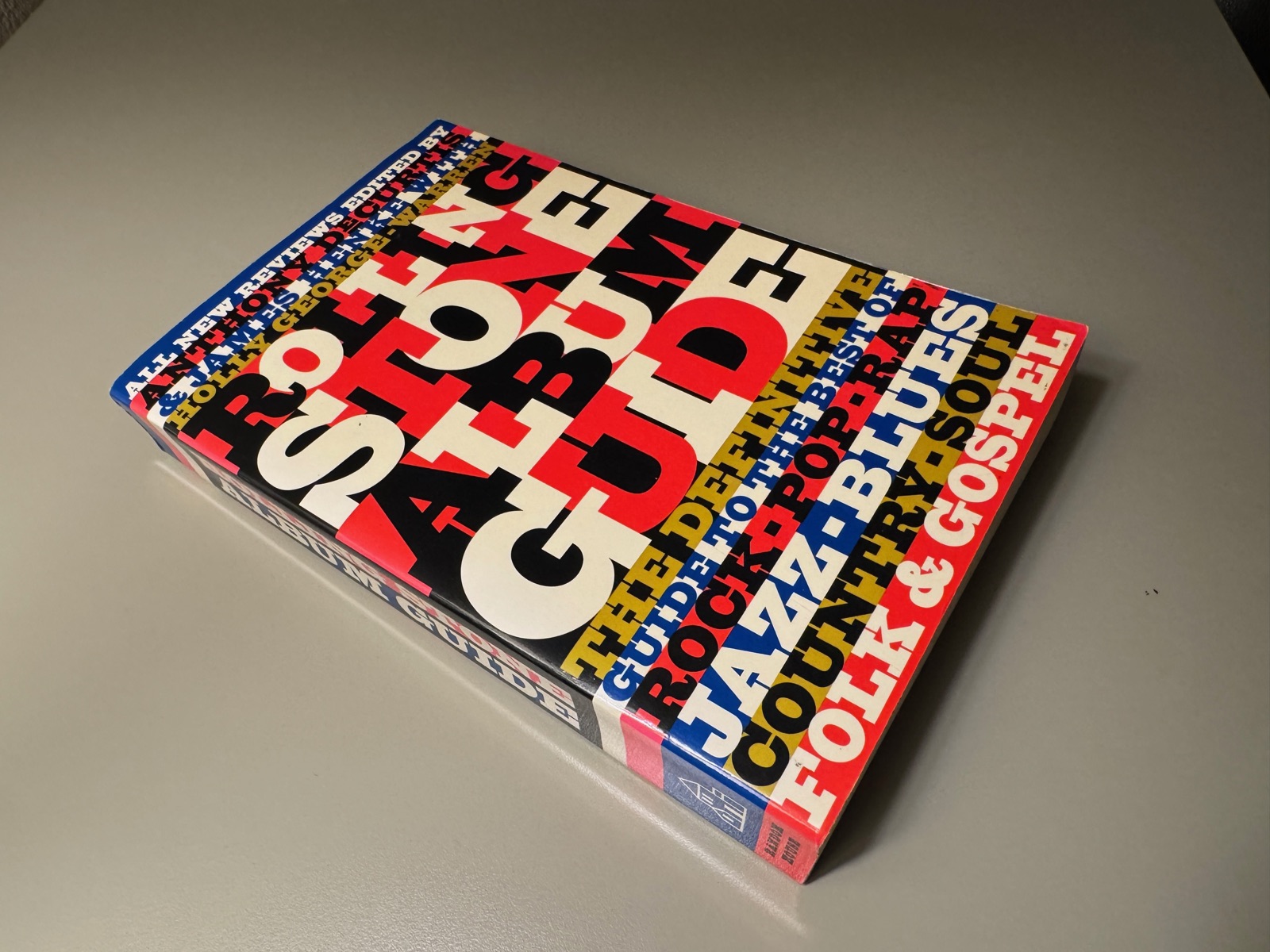
Rolling Stone
I get that many more conscientious people in the music world - journalists, curators, musicians not in the Top 40, and so on - are pretty much sick of Rolling Stone, if not outright hostile towards them. Rolling Stone has kind of become “The Man”. But I think we should have a more nuanced view of the magazine that was once known as a provocative and reliable source for music, culture, and political commentary. There’s nothing upstart about Rolling Stone anymore - every cover is reserved for someone already picked to be famous (or already famous) by the music industry, and there’s no place in their pages for new acts. But in my opinion, quality journalism is quality journalism, and even though the journalistic direction of RS seems to be “make the rich richer,” there’s still a wealth of interesting writing to be found there from time to time.
TIP: I get back issues of Rolling Stone magazine from my local library’s Libby app for free. You can get almost the entire archives that way if offered by your library. Same goes for many other music magazines.

Pitchfork
Pitchfork has been around since 1996, which is long enough that it's been both the cool new thing and the thing everybody loves to complain about. It started as a one-person website and grew into one of the main places people went to find out what was good in indie music, and the Best New Music tag and the 0-10 scores (with a decimal point, for extra authority) are a big part of why. It's the reason a lot of people can say "that album got an 8.4" and expect you to nod.
The magazine has changed a lot lately. Condé Nast bought it in 2015, and in early 2024 it got folded into GQ with a large chunk of the staff laid off, so what's there now is a smaller operation than the one that built the name. I'll admit that makes it harder to recommend the front page. But the archive is huge, and the year-end and decade-end lists are great rabbit holes if you want a pile of albums to work through.
My advice is to use Pitchfork for the archive and the lists, and not to take the scores too seriously. It leans heavily toward critical-darling indie, which is great if that's your thing and a little narrow if it isn't.

RateYourMusic
RateYourMusic (RYM) is basically a community music wiki with ratings, reviews, and a great categorization system to track ratings and reviews. There are more features as well, such as user lists, ratings filters, and tools to explore genres and time periods. It’s free to use, and although it’s pretty utilitarian it does its job just fine.
Keep in mind that the ratings on RateYourMusic are very skewed relative to the general population. This is likely because of a relatively small userbase compared to, say, the entire music listening population. It’s also probably due to trends among the users that have grown and fueled themselves - you’ll never see a Drake album rated highly because the entire site has decided they’re Kendrick Lamar fans and Drake’s ratings got tanked across the board. There are many such ratings trends on this site, mostly fueled by the active community and discussion boards, but as long as you know the ratings are quite skewed you’ll be fine.
The ratings are far from reliable in my experience, but as a categorization tool and a tool to track your own ratings and owned albums, RYM does its job well.

Reddit is a blunt and unreliable tool, but it can be useful if you learn how to use it. The website known for its unfiltered user discussions on every topic imaginable is a double-edged sword - on the one hand, you get a clear view into the minds of the people who spend lots of time on the internet. On the other hand, you get a clear view into the minds of the people who spend lots of time on the internet. It’s one big comment section and it behaves as such. Moderation of each content section is done by unpaid volunteers, the quality of which ranges from absolute godlike authority to no moderation at all.
But the good news is that if there’s a genre, subgenre, fandom, instrument, artist, or any other topic related to music you can think of, there’s a subreddit dedicated to it.
Just use at your own risk, and be aware that you’ll have to wade through 95% idiotic and/or extreme nonsense to find the 5% gold. There’s no such thing as middle ground on Reddit - everyone takes a hard stand on every argument, no matter how small, and you should remember that when you read, say, a 3000-word comment by u/GiantLoveSlug42069 about how the recording industry is run by lizard people. Mr. Slug might be terrifying by normal standards, but on Reddit there’s always a chance he knows the names of every Doom Metal band in history and can recite them in alphabetical or chronological order - useful information if that’s your thing.
Musicmap
This website is ambitious, unique, and endlessly fascinating. It’s a way to visualize the interconnection of hundreds of musical genres, as well as their progression over time. It’s hard to explain, so I’ll use the site’s creator’s words: “Musicmap attempts to provide the ultimate genealogy of popular music genres, including their relations and history. It is the result of more than seven years of research with over 200 listed sources and cross examination of many other visual genealogies. Its aim is to focus on the delicate balance between comprehensibility, accuracy and accessibility. In other words: the ideal genealogy is not only complete and correct, but also easy to understand despite its complexity.”
I highly recommend going in and browsing your favorite genres (or non-favorites) to see where they come from and what genres they morphed into later on. It’s a great way to see general connections between genres and understand how the sounds have changed over time. You’re guaranteed to come out with a few new artists or genres to explore that you didn’t know about before.
Note: it’s unclear how up to date this site is being kept, but as of this writing it’s still working and very useful, if not totally current on every modern genre and artist.
Offline / Distributors
There are a lot of places to discover music offline. I’ve also lumped physical media distributors into this category since their products are used offline.
Record Stores
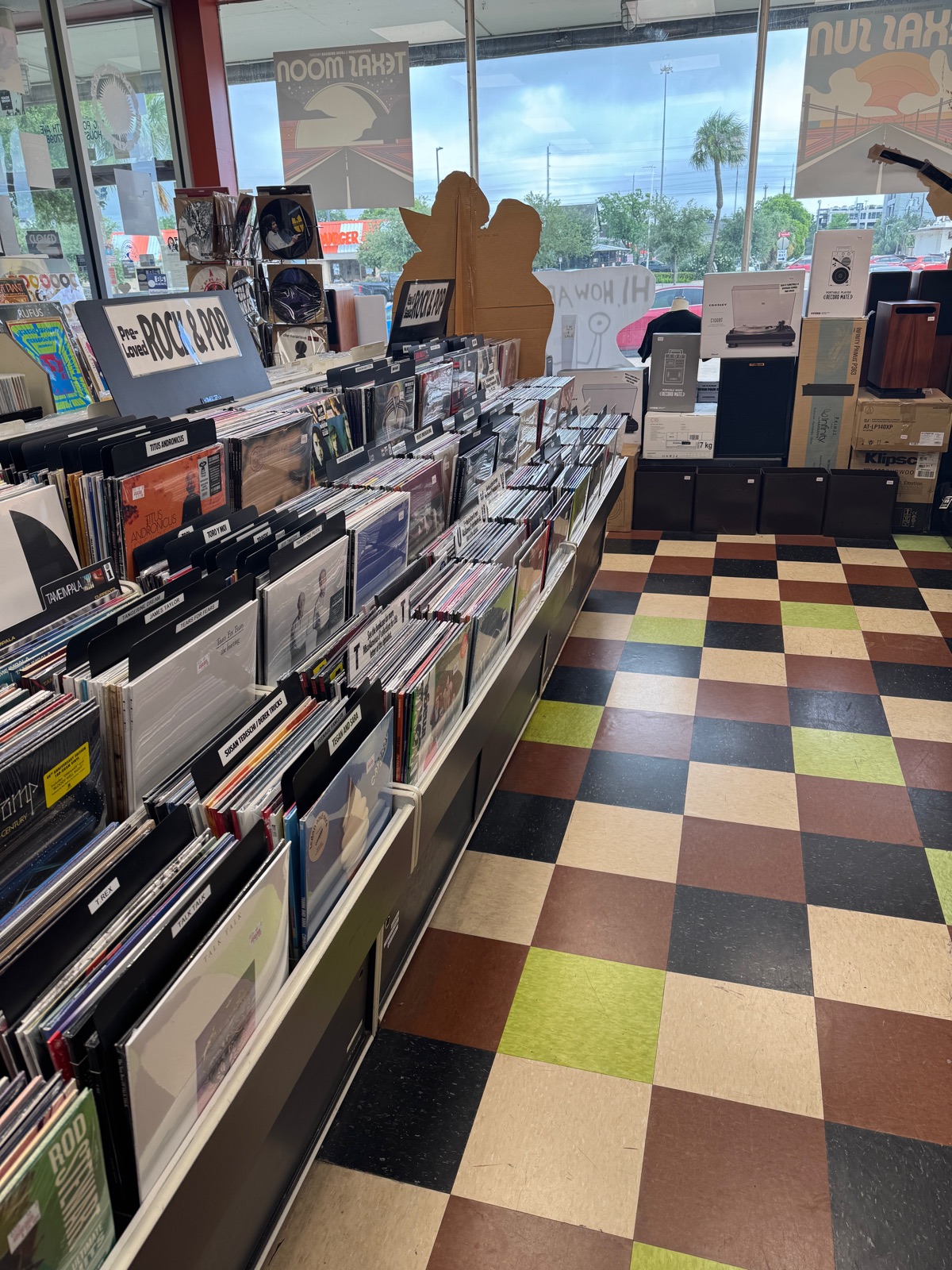
Vinyl is still probably the most expensive way to enjoy your favorite music, yet the allure of vinyl is significant (it’s also hard to describe). I was lucky enough to get a mostly free turntable from my parents along with a bunch of their vinyl, and even that was an expensive effort to get set up. But there are relatively inexpensive ways to get a record and/or CD player system up and running, if you’re interseted in physical media (see Budget Audiophile on Reddit for examples). And honestly, record stores are just cool places - nobody’s going to stop you from just browsing the shelves and getting inspiration for your next playlist. There’s always music playing, and many store owners are more than happy to talk to you about their favorite music or point you to something new.
Libraries
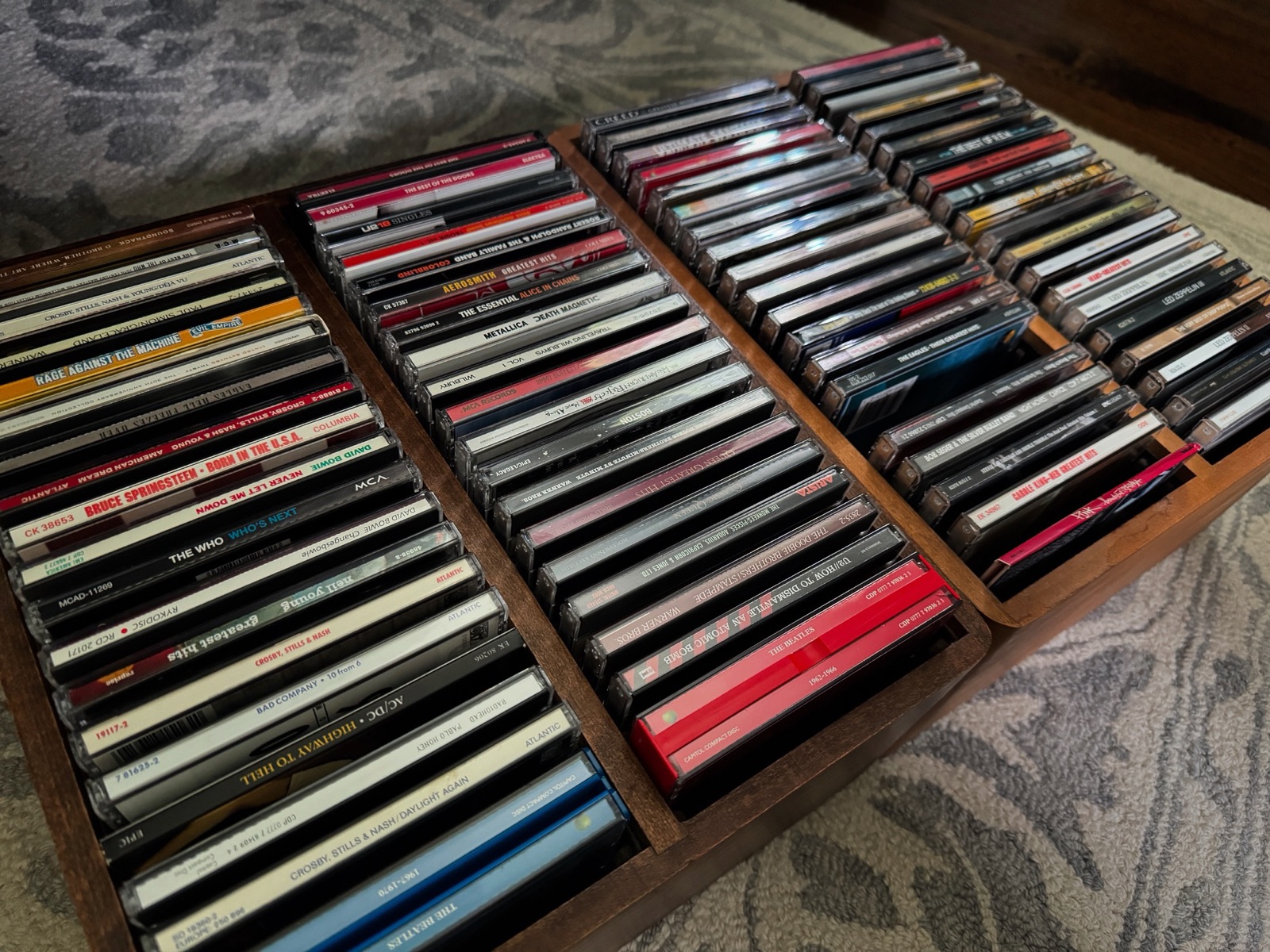
You can tell a person’s generation based on whether they make fun of this suggestion or not. You can also tell who’s never actually been into a library or used an online library, which I think is one of the best public services on the face of the planet. I use my library most often for online magazines and books, but they have CD’s, Vinyl, and obviously physical books galore for those who care to look.
Music Festivals
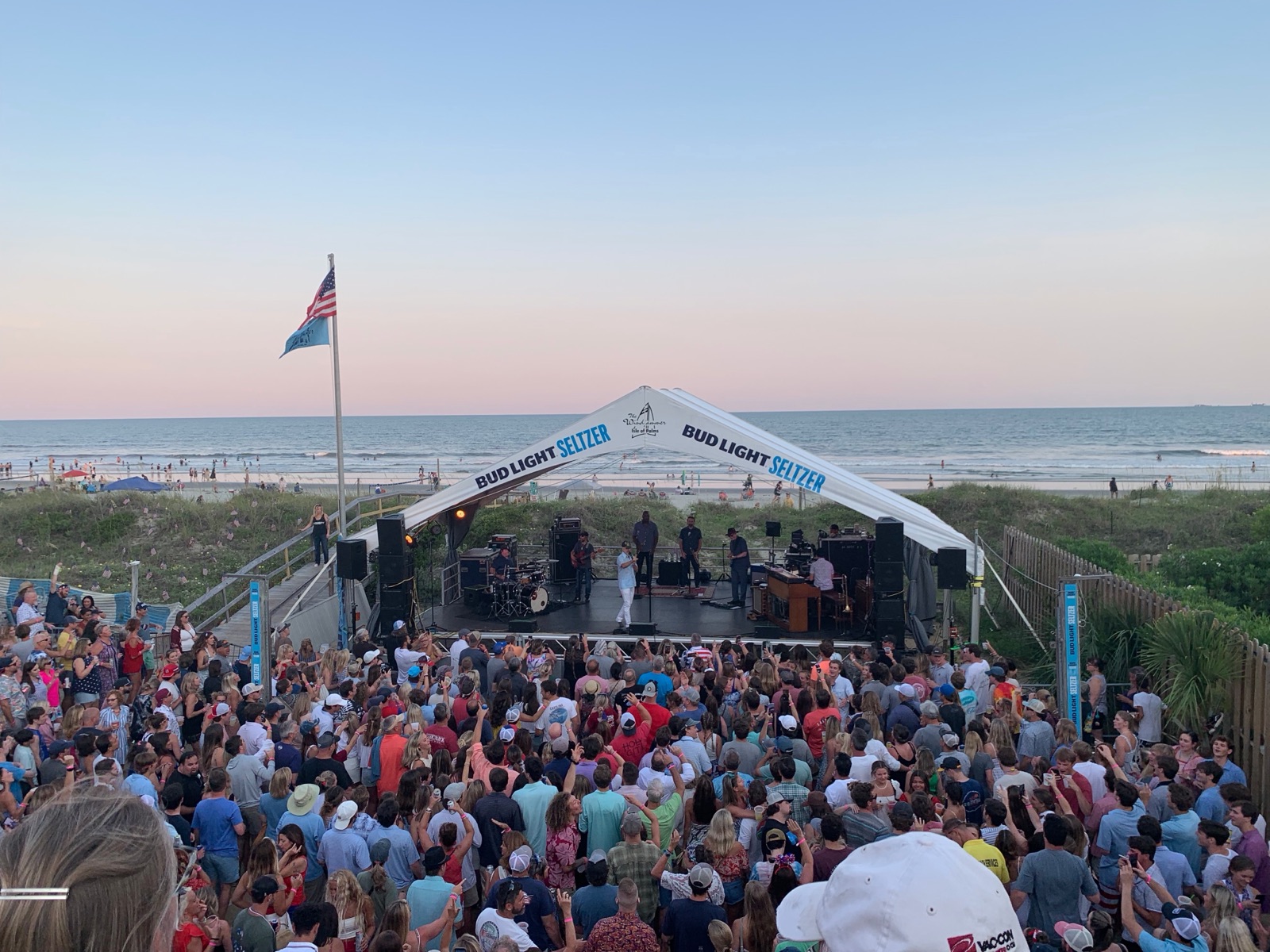
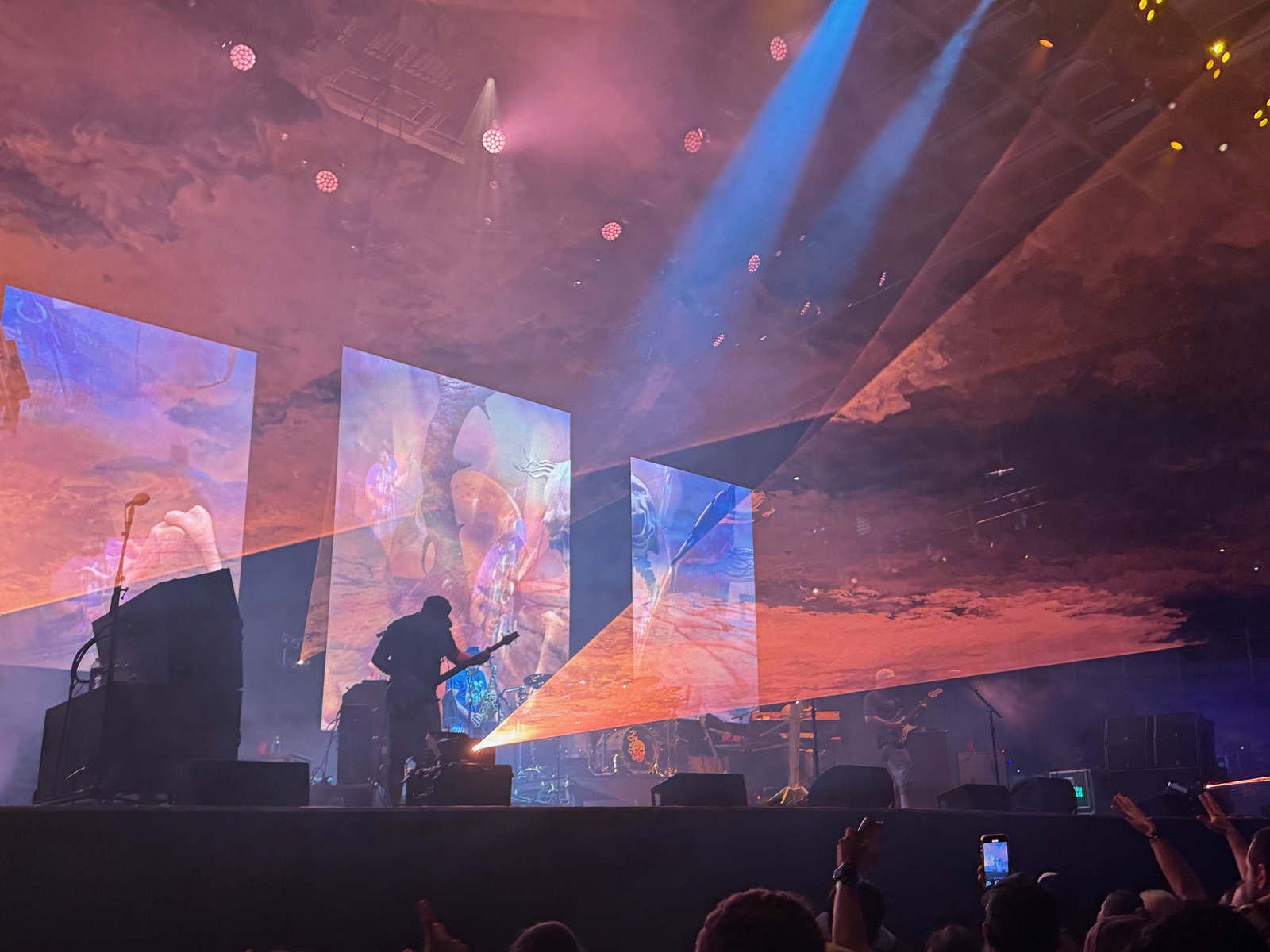
Festival lineups are sold on the headliners, but the real value for music discovery is further down the poster. The smaller print, the names in the bottom couple of rows, is where you’ll find bands you’ve never heard of playing midday on a side stage to a few hundred people. Some of them are about to blow up and some will stay delightfully obscure, and either way it costs nothing extra to wander over and listen. My advice is to ignore the top line when you look at a lineup, scan the small print for names you don’t recognize, and look a few of them up before you go. You’re pretty much guaranteed to find a couple of keepers.
Austin City Limits
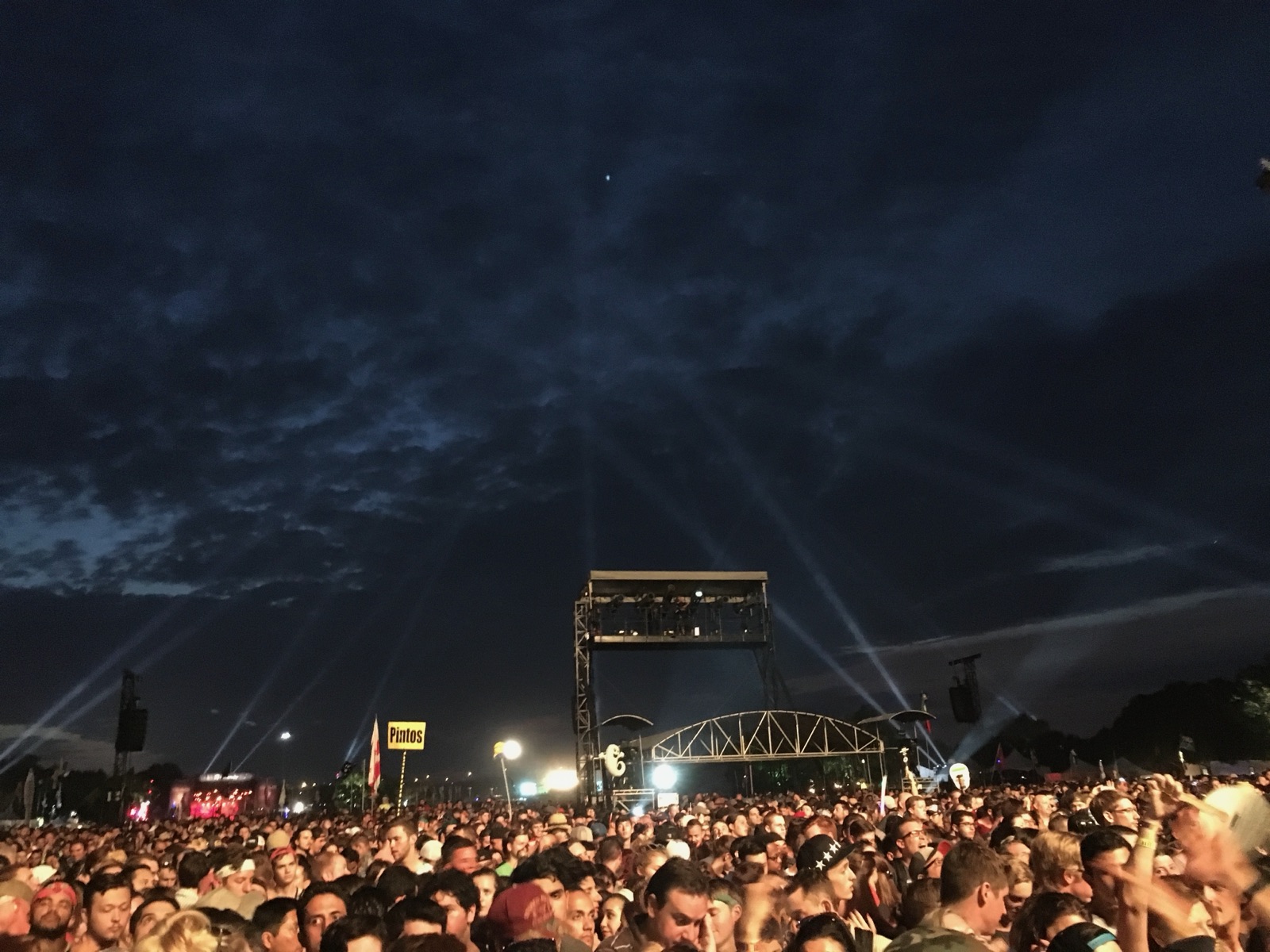
Zilker Park in Austin, Texas, spread over two weekends in October. It’s a huge multi-genre lineup across a lot of stages, which gives you plenty of small print to dig through.
Bonnaroo
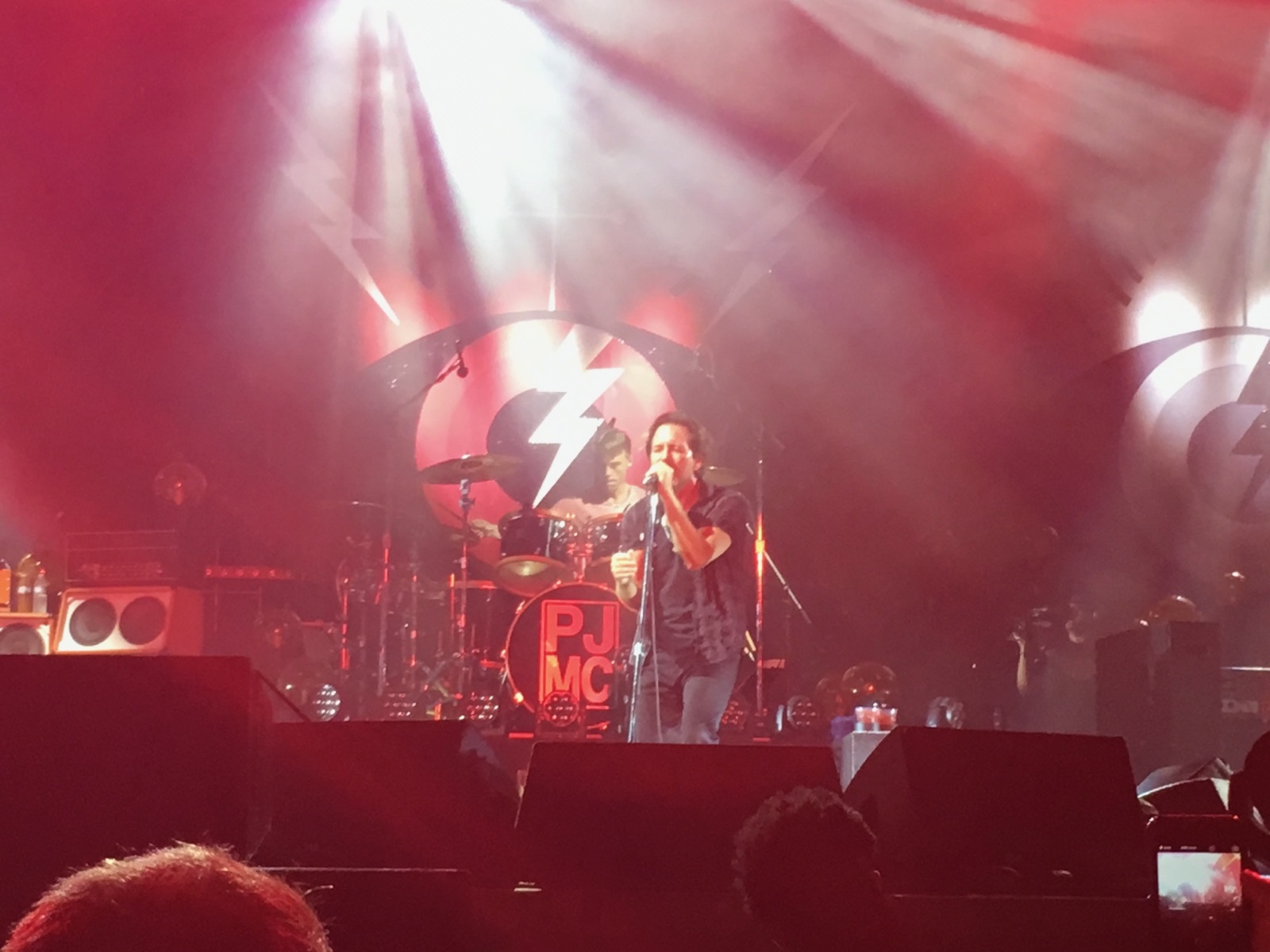
A camping festival on a farm in Manchester, Tennessee, held every June since 2002. Since people are there for days, there’s lots of room to stumble into smaller acts between the big ones.
Lollapalooza
Started in 1991 as a touring alt-rock festival and has been parked in Chicago’s Grant Park since 2005, usually around the end of July or early August. The undercard is huge.
Outside Lands
Golden Gate Park in San Francisco every August, with a lineup that mixes music with a serious amount of food and wine. The lower-billed acts are a good way to catch some Bay Area artists.
Newport Folk Festival
Running since 1959 at Fort Adams State Park in Newport, Rhode Island, each July. It leans folk and Americana but is broader than the name suggests, and it’s known for surprise guest sets.
Local Music Festivals
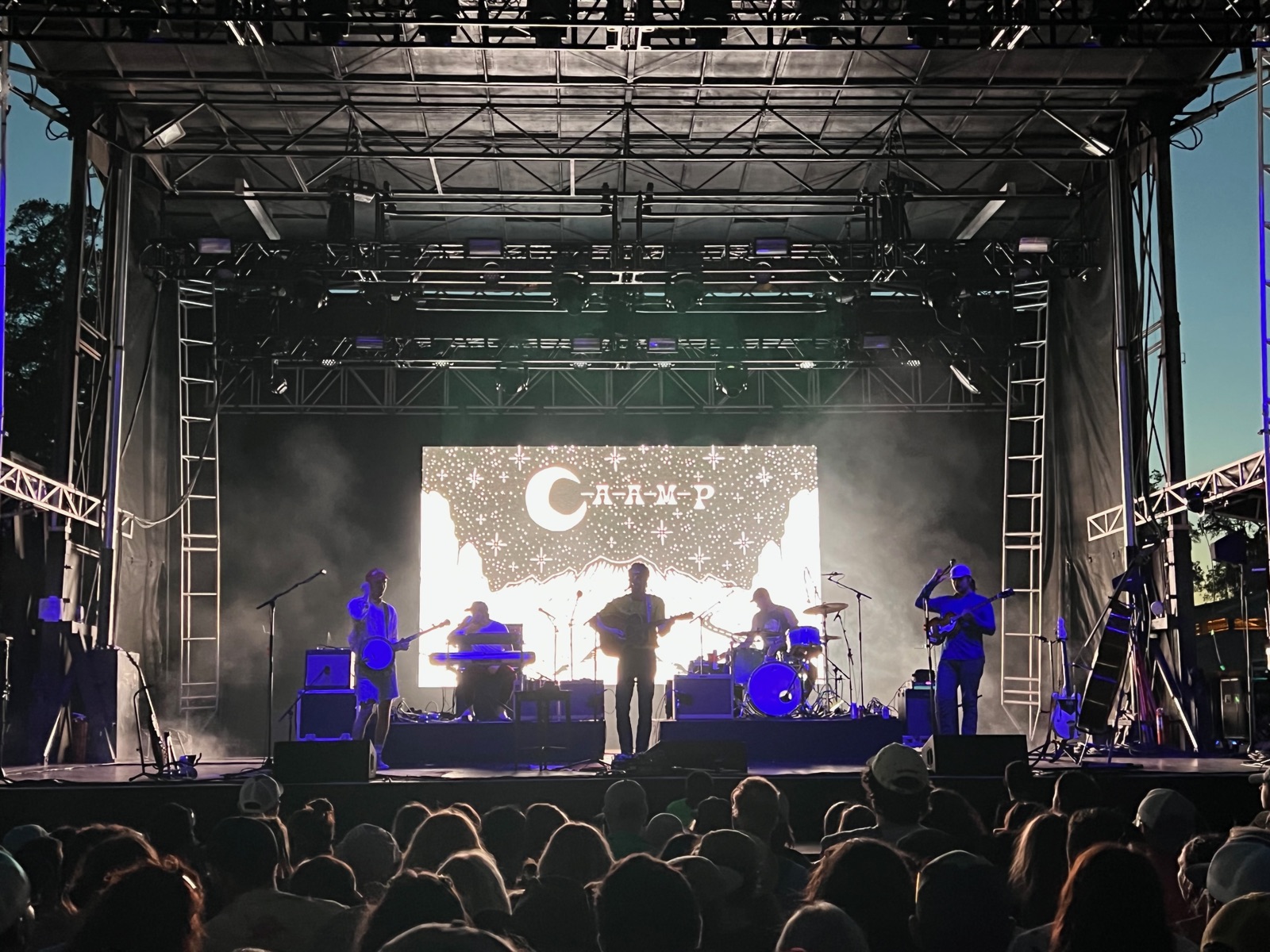
The smaller local festivals are kind of the best way to both find and support local bands. The lineups are mostly made up of acts from your own region, tickets are cheap compared to the big names, and the money mostly stays in the local scene. You’ll also see more of the same bands from one year to the next, so it’s easy to follow someone you liked and catch them again at a club show. If you want an example of what a regional scene can look like, I wrote up my favorites from South Carolina in South Carolina’s Best Albums of 2024.
Streaming Services
Please don’t close your browser window in frustration when you see this category. Hear me out.
For those of you who don’t spend hours every week reading every music blog you can find, let me summarize the reason for that intro - the music internet, comprised mainly of music bloggers, music writers, musicians, and maybe some part-time critics, HATES the big streaming services right now. If you wrote “I love Spotify” in any of these circles, you’d get flamed to a crisp within ten minutes. Apple Music only gets about 75% of the level of hate that’s directed at Spotify, but this isn’t because they’re so much better, it’s more like the saying “If you’re being chased by a bear, you don’t have to outrun the bear, you just have to outrun the slowest person in the group.” Spotify happens to be the slowest person in the group, the consensus Worst Streaming Platform at the moment, so it takes the brunt of the righteous blogger-hate. But I’d recommend that you think of all the Big Streaming services (Spotify, Apple Music, Google Music and whatever else) as exactly the same concept, with slightly different quirks and color schemes. There are some small differences, as we’ll discuss, but not big enough to put them in different categories.
And for those of you who are firmly in the I Hate Streaming camp, I hear you. I agree that streaming platforms, by and large, suck for artists. They’re also starting to suck for consumers, as we’ll discuss first in the Spotify section. But I also feel it’s a waste of time to ignore them when they’re such goldmines for music discovery. Streaming platforms are by FAR the most cost-effective way to explore new music, and saying “buy the music straight from the artist” is useless advice for those who 1) don’t know what they like yet, e.g. those who need music discovery sources the most, and 2) don’t have an infinite budget for buying $45 vinyl copies of their favorite albums.
I’m not here to make your listening decisions for you. If you see streaming as immoral, or if you have the extra income to buy a dozen new records each month, don’t use streaming. If you don’t see a problem with streaming, or if you don’t have the money to support artists directly, use a streaming service if you want. Or don’t do any of it if you don’t have the money - freely provided music is perfectly fine too if it’s legal. Don’t let the internet intimidate you into only listening to artists who can be found on Bandcamp if you don’t want to do that. Supporting artists is extremely important, and there are ways to support artists more than listening via streaming - but only if you have the disposable income to do so. The internet is a polarized place and might make you feel that you have to choose a side, but as a music listener, the choice between listening to music in a way that benefits you most vs. a way that benefits the artists most is full of gray areas.
Want to use Spotify for discovery and then buy a couple of your favorite records to support those artists? Great! Want to use Youtube to stream your music for free? Great? Want to exclusively buy vinyl and CD’s and put your collection all over your instagram? Great! Make the choice that works for you, and don’t worry about it.
So if you’re interested in streaming, I’ve tried to mark each platform with a totally nonscientific emoji rating in 2 categories - how good is it for the artist (aka the moral consensus of the music world), and how good is it for the listener.
Spotify
Listener Rating: 4/10
For the listener, Spotify has gone downhill over the past few years. It used to have, in my opinion, a pretty good recommendation system that was allegedly based on other users’ playlist activity - now, the recommendation system is 100% algorithmic, and it is frankly terrible. You’ll find yourself hearing the same songs over and over if you listen to a Spotify-created mix, and even shuffling your own playlists can lead to weird results if you use Spotify’s universally hated “smart shuffle” feature. Worse, there are allegedly now songs that are pushed onto your recommendation lists simply because the artist or label has paid Spotify to promote them. The algorithm is not incentivized to give you new music - it’s incentivized to play whatever makes Spotify the most money. Discovery, if that’s your goal, is not what Spotify is providing anymore.
So although you get access to a massive library of music, the key technology that makes this enjoyable - the discovery algorithm - is now arguably the worst feature of Spotify. So don’t expect a great recommendation service. You’re paying for Spotify’s song library, and not much else. Better get used to searching for whatever you want to listen to, and finding new music recommendations another way.
The cost is going up, but there’s still a free tier of Spotify available with limited features. There are also some out there who complain about Spotify’s audio quality, although in my experience if you have nice enough speakers or headphones to detect the limitations in sound quality, the cost of a streaming platform (or a pile of CD’s and vinyl) isn’t exactly a problem for you.
Artist Rating: 2/10
The internet’s consensus is that Spotify is the devil incarnate for musicians.
The reality, as usual, is probably more nuanced than that. Spotify touts their distribution and discovery features as benefits for artists looking to get discovered. There are stories of artists gaining visibility through Spotify that might not have happened otherwise. But at the same time, there are stories of artists being buried in the algorithm while the likes of Taylor Swift somehow appears in every single person’s Discover Weekly - the rich get richer, so to speak.
But the fact remains that nearly every artist you can name is on the platform. It might not be perfect, but it seems that being on Spotify is better than not from these artists’ perspective - actions speak louder than words, and the mass strike against Spotify has yet to happen.
Could there be improvements in how artists are compensated by streaming services? Absolutely, although many claim the business model itself isn’t possible to sustain while fairly compensating artists. Are smaller artists getting screwed, both in terms of payment and discovery? Yes, absolutely. This is the biggest failing of Spotify in my book.
P.S. Spotify also offers podcasts and 15 hours of free audiobook listening per month, for those interested. I use both services, and this is the primary reason i use Spotify over Apple Music or others. However I think the audiobook service will lead to issues and I doubt it lasts long - once that goes away I won’t have much reason to stay on Spotify.
Apple Music
Listener Rating: 5/10
I’ve been testing a free trial of Apple Music for a couple of months, so my experience with it is more limited. The library is huge just like Spotify, with only minor differences in availability, most of which will never be noticeable to the average listener. Apple Music is slightly less expensive as of this writing, although it doesn’t have a free ad-supported tier like Spotify. Apple Music has a better surround sound setup vs. the standard Left/Right stereo that’s available on Spotify, although this is only beneficial with the right speaker or headphone setup.
As far as music discovery, I don’t see a lot of differences. The stupid smart shuffle of Spotify isn’t a problem from my experience on Apple Music, which is almost enough reason to switch by itself.
Artist Rating: 2/10
Does Apple Music pay artists more than Spotify? I have literally no idea, and I don’t think anyone else does either, to put it bluntly. There are misleading statistics about “average pay per stream” of Apple music being double that of Spotify, but this is also heavily qualified. This article is a good summary - it mostly confuses me, which makes me think it’s closer to the truth than something black and white. The reality is that the payment mechanisms of streaming platforms are impenetrable black boxes. In my opinion, businesses as large as Spotify and Apple music will have found a recipe to minimize costs as much as possible - this is just what efficient for-profit businesses do. Maybe there are surface level payment differences to artists, but zoom out and you’ll see that the difference is so small it’s almost pointless to discuss. I see Apple Music as equivalent to Spotify from an artist perspective, for all intents and purposes, although some may disagree. And that isn’t a defense of either platform.
Qobuz
Listener Rating: 7/10
Qobuz is a French streaming service built for people who care about audio quality, with lossless and hi-res streaming up to 24-bit/192kHz. It also runs a download store, so you can buy the files and own them, which the big streaming services don't really offer. The catalog is big enough that you'll rarely come up empty, though I wouldn't say it matches Spotify for obscure stuff.
The best part for discovery is that Qobuz has actual editorial content - album write-ups, curated picks, and a good amount of credits information - written by humans instead of a recommendation algorithm. Given my feelings about algorithms, that counts for a lot. The downside is the price, which is higher than Spotify or Apple Music, and the sound quality benefit only matters if you have the speakers or headphones to hear it. If you don't, you're paying extra for files your gear can't use.
Artist Rating: 6/10
Qobuz says it pays artists more per stream than the big platforms, and the download store gives artists another way to get paid. I can't verify the numbers, and as with every other service here the payment details are hard to see from the outside. But it's a smaller company that clearly sells to people who value music, and that's a better starting point than most.
Tidal
Listener Rating: 6/10
Tidal relaunched in 2015 with Jay-Z and a long lineup of famous artists behind it, pitched as the streaming service that was going to treat musicians better. Block (the company behind Square) bought it in 2021, so the artist-owned angle is mostly history now. What's left is a standard streaming service with a big library and lossless audio, and Dolby Atmos tracks for those with the right setup.
As far as discovery goes, it's in the same boat as the other big services, with some editorial playlists and a recommendation algorithm that works about as well as you'd expect. If you want better sound quality than Spotify without switching to something smaller, it's a reasonable option. By the way, the company has changed its pricing and plan tiers a few times, so check the current setup before signing up.
Artist Rating: 5/10
The original pitch was all about paying artists more, and it's hard to tell how much of that survived the ownership change. The payout details are another black box. I'd call it about average for the industry, which is not a compliment.
Social Media
I cringed even typing this heading, but it has to be addressed. Music discovery on social media is unavoidable for many. Proceed carefully, and at your own risk.
I like silly social media accounts, as I see original short-form humor as perhaps the only redeeming quality of platforms like Instagram. If they’re making fun of themselves, even better, since anyone who takes social media seriously as an art form is at best tonedeaf, and at worst just in it for the money. But silly social media isn’t exactly the best forum for music discovery, and serious social media is, in my mind, mostly bullshit.
In general, my advice on using social media for music discovery is not to trust social media in general, but rather to trust people. Your discover feed or whatever it’s called on your platform of choice is rarely useful - find a human to listen to and perhaps connect with, and avoid the algorithm that powers the recommended or “for you” content, as these are typically driven by profit and not quality.
At this point in the evolution of the social media experiment, I can’t honestly recommend any of the platforms as a source for organic music discovery. In a perfect world it would be easy to find up and coming acts on the socials, to support them and follow their journeys, but it’s just not. If you already know a band or a curator or whatever, then yes, following their socials makes sense and is a good way to connect and support. But if you’re looking to discover someone from scratch, in my mind social media is one of the worst places to start. You’ll end up with likes-driven attention-seekers more often than you’ll find legitimate recommenders.
If I’m missing something, or if someone has found a way to game any of the various social media algorithms to actually support organic music discovery, please let me know.
Related: How Do People Find New Music These Days?, Music Recommendation Algorithms: How They Work and What We Can Learn From Them, and Albums vs. Playlists: The Great Debate.